.png&w=128&q=75)


How Does a Hybrid Battery Charge? HEV vs PHEV Explained
If you have been thinking about making the switch to a hybrid, you have probably wondered: how does a hybrid battery actually charge? It is one of the most common questions we hear at Kalamunda Toyota, and the good news is, the answer is simpler than you might expect.
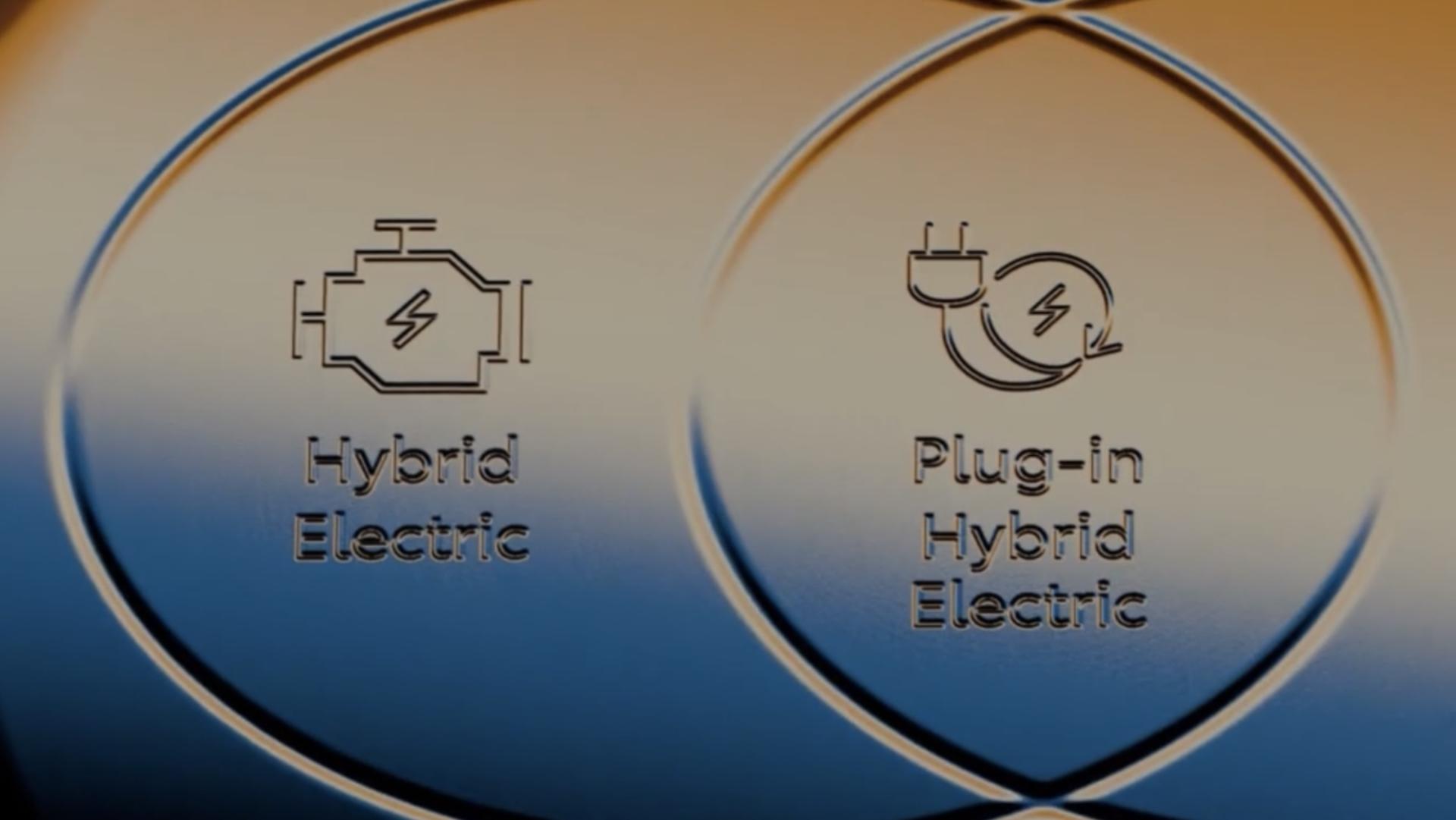
There are two main types of hybrid vehicles available in the Toyota range today: Hybrid Electric Vehicles (HEV) and Plug-in Hybrid Electric Vehicles (PHEV). Both use a combination of a petrol engine and electric motor, but they charge their batteries in different ways. Let us walk you through how each one works, so you can decide which option suits your lifestyle.

What Is a Hybrid Electric Vehicle (HEV)?
A Hybrid Electric Vehicle, or HEV, combines a traditional petrol engine with one or more electric motors and a compact battery. The clever part? You never need to plug it in. The battery charges itself while you drive, which is why HEVs are sometimes called "self-charging hybrids."
How Does an HEV Battery Charge?
Toyota's HEV system charges the battery through two main methods:
Regenerative braking
Regenerative braking
When you slow down or brake, the electric motor works in reverse as a generator. Instead of wasting that energy as heat (like a traditional braking system), it captures the kinetic energy and converts it into electricity, which is stored in the battery. This is especially effective in stop-start driving around suburbs like Kalamunda, Midland, and Mundaring.
Engine-powered charging
When the petrol engine is running, it also charges the battery via a generator. The vehicle's intelligent power control system manages this process automatically, so the battery stays topped up without you having to think about it.
Engine-powered charging
When the petrol engine is running, it also charges the battery via a generator. The vehicle's intelligent power control system manages this process automatically, so the battery stays topped up without you having to think about it.
The result is a vehicle that seamlessly switches between petrol and electric power. Under certain conditions, Toyota HEVs can even drive on electric power alone for short distances at low speeds, with the petrol engine kicking in automatically when extra power is needed.
Which Toyota Models Use HEV Technology?
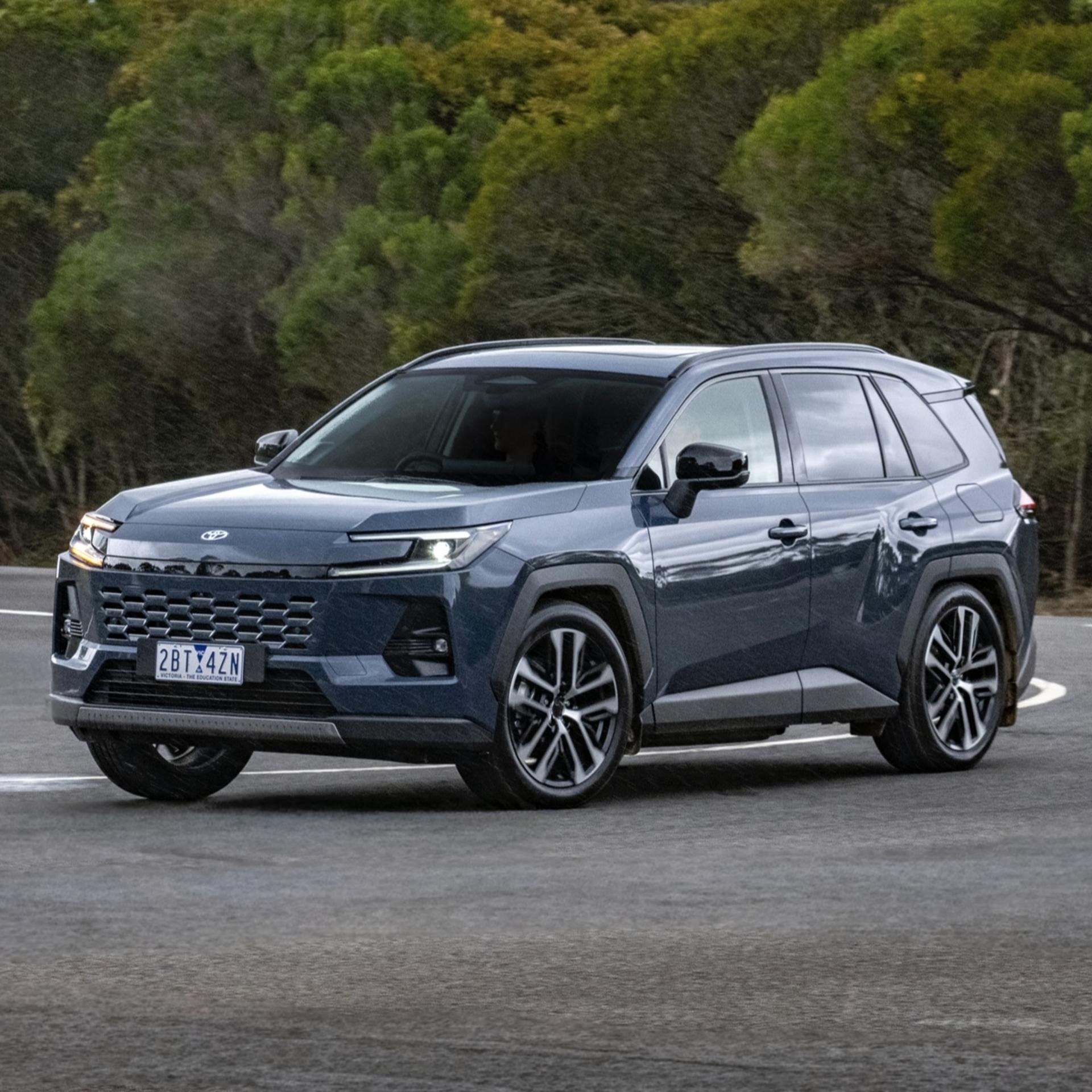
Toyota offers one of the widest hybrid ranges in Australia. HEV models currently available include the Yaris, Yaris Cross, Corolla Hatch and Sedan, Corolla Cross, C-HR, Camry, RAV4, and Kluger. Whether you are after a compact city car or a family-sized SUV, there is a Toyota hybrid to match.
What Is a Plug-in Hybrid Electric Vehicle (PHEV)?
A Plug-in Hybrid Electric Vehicle, or PHEV, works in a similar way to an HEV but with one key difference: it has a much larger battery that can be charged externally by plugging it in. This bigger battery means you can drive longer distances on electric power alone, which can significantly reduce your fuel costs and emissions.
How Does a PHEV Battery Charge?
A PHEV charges its battery in three ways:
Plug-in charging
Plug-in charging
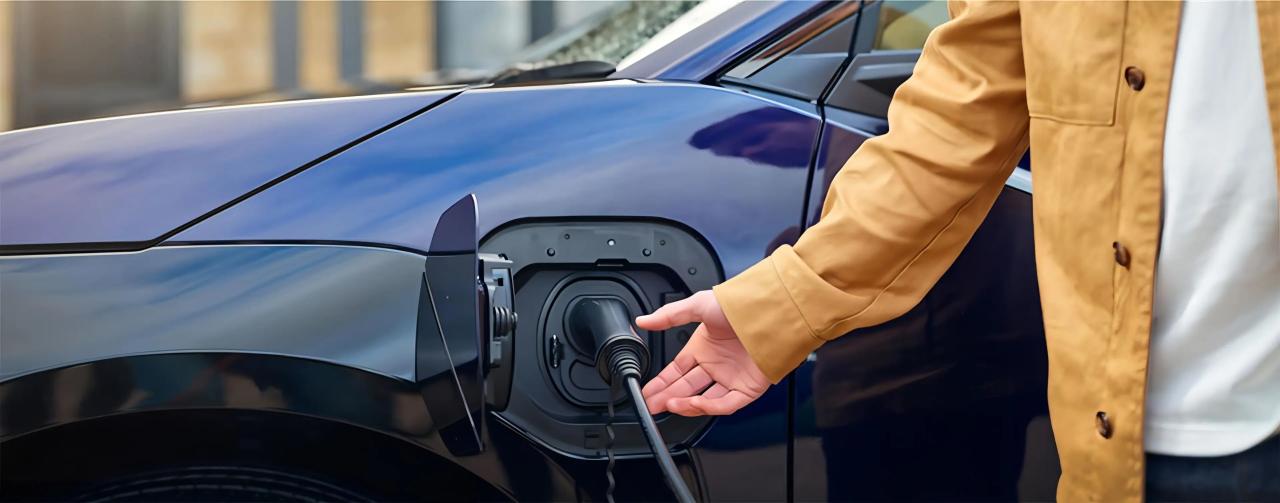
This is the main way to charge a PHEV. You can plug it into a standard 240V household powerpoint using the included Mode 2 charging cable. For faster charging at home, you can also have a dedicated AC wall charger (Mode 3) installed. Public AC and DC fast chargers are also compatible, giving you flexibility for top-ups on the go.
Regenerative braking
Regenerative braking
Just like an HEV, a PHEV captures energy when you brake or decelerate and feeds it back into the battery.
Engine-powered charging
Engine-powered charging
When the petrol engine is running, it contributes to keeping the battery charged as well.
When fully charged, a PHEV can drive on electric power alone for shorter trips, such as daily commutes and school runs. Once the battery charge is lower, it automatically switches to hybrid mode, using the petrol engine as a backup for longer drives. To get the best fuel savings, regular plug-in charging is recommended, but if you forget or cannot charge, the vehicle still operates as a conventional hybrid.
How Long Does It Take to Charge a PHEV?
Charging times depend on the method you use. From a standard 240V household powerpoint (Mode 2), you can expect approximately 6 to 8 hours for a full charge, making overnight charging a convenient option. A dedicated AC wall charger (Mode 3) will reduce that time further. DC fast charging at public stations offers the quickest top-up when you are out and about. Charging a PHEV is as straightforward as charging your phone. Plug it in when you get home, and wake up with a full charge ready for the day ahead.
HEV vs PHEV: What Is the Difference?
Both options offer improved fuel efficiency compared to a conventional petrol vehicle, but they suit different driving needs. Here is a quick comparison:
| Feature | HEV (Self-Charging) | PHEV (Plug-in Hybrid) |
| Plug-in required? | No, charges itself while driving | Optional, but recommended for best results |
| Electric-only range | Short distances at low speeds | Longer range (up to 100km depending on model) |
| Charging method | Regenerative braking and petrol engine | Plug-in charging, regenerative braking, and petrol engine |
| Best suited for | Drivers who want better fuel economy with zero hassle | Drivers with shorter daily commutes who can charge at home |
| Available Toyota models | Yaris, Corolla, C-HR, Camry, RAV4, Kluger, and more | RAV4 PHEV (arriving 2026) |
| Battery warranty | Up to 10 years / unlimited km* | Up to 10 years / unlimited km* |
*Subject to annual inspection as part of routine logbook maintenance. See toyota.com.au for full warranty terms
Are Hybrid Batteries Built to Last?
This is another question that comes up a lot, and the short answer is yes. Toyota has been building hybrid vehicles for over 25 years, and the traction batteries are designed with decades of research and high-quality engineering behind them.
Toyota backs its Hybrid Electric traction batteries with a warranty of up to 10 years and unlimited kilometres, as long as you keep up with your annual inspection as part of routine logbook maintenance. And when your battery does eventually reach the end of its life, Toyota offers a recycling program where components are reused, and you can receive a cash rebate when purchasing a replacement.
Which Hybrid Is Right for You?
Choosing between an HEV and a PHEV comes down to how you drive and what suits your routine.
If you want better fuel economy without changing any of your habits, a self-charging HEV is a great place to start. You fill up with petrol as usual and let the vehicle do the rest. It is the easiest way to enjoy the benefits of hybrid technology.
If you have a shorter daily commute and access to a powerpoint at home, a PHEV could save you even more on fuel. Many Perth drivers find they can complete their everyday trips on electric power alone, only using petrol for longer weekend drives.
Either way, both options offer improved fuel efficiency, lower running costs, and the same Toyota reliability you would expect.

See the Toyota Hybrid Range at Kalamunda Toyota
Curious about how a hybrid drives? The best way to understand the difference is to experience it for yourself. Our team at Kalamunda Toyota is always happy to walk you through the options and help you find the right fit, with no pressure and no rush.

Book a test drive today, or pop into our dealership on Canning Road in Kalamunda. We would love to help you take the next step.
More Blogs For You


← Swipe →