.png&w=128&q=75)


The Different Types of Hybrid Cars Explained
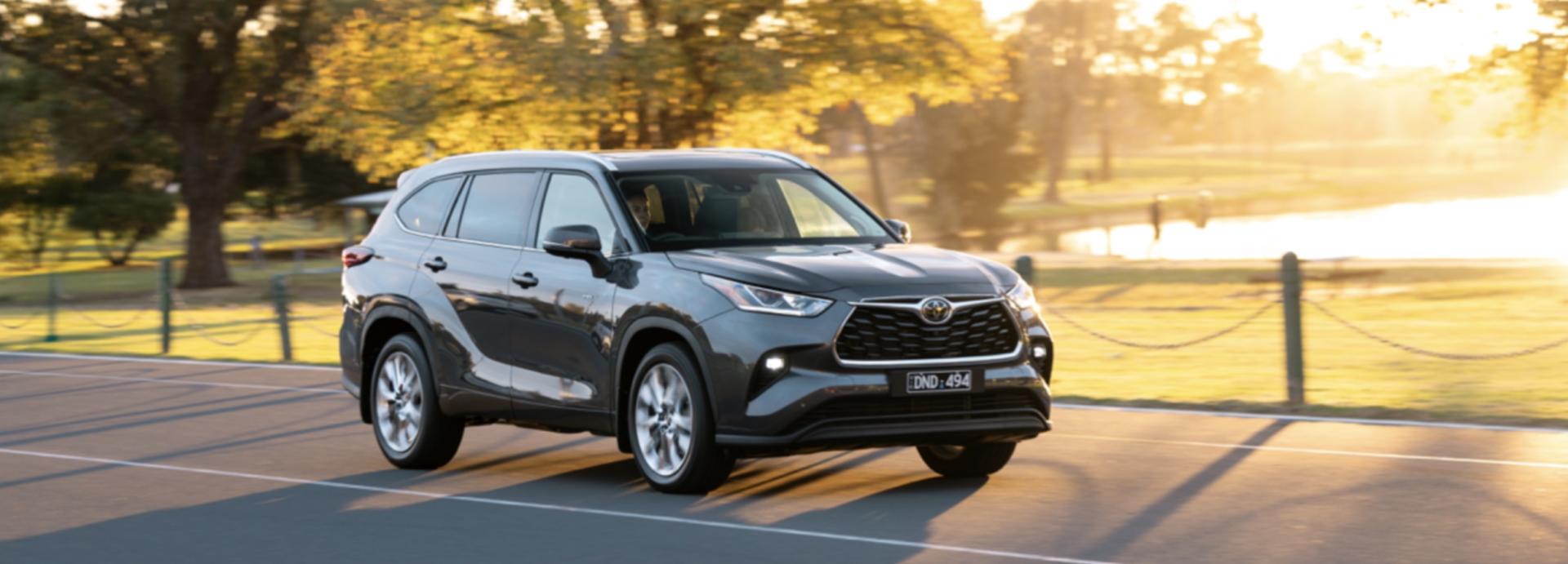
Hybrid cars are changing the way Perth Hills locals drive, offering a smarter, more efficient way to get around without the range concerns of a fully electric vehicle. But not all hybrids work the same way.
At Kalamunda Toyota, we take the time to walk you through the differences so you can choose the hybrid that suits your lifestyle, your driving habits, and your budget. Here's a straightforward guide to the different types of hybrid cars and how Toyota's technology makes it all work.
Hybrid Electric Vehicles (HEV)
How it works:
A full hybrid, also known as a self-charging hybrid, uses both an electric motor and a petrol engine that can work together or separately. The battery recharges automatically while you drive or brake, so there's no plug required. This means you can drive short distances at low speeds on electric power alone, then switch seamlessly to petrol power when you need it.
Who it's for:
Perfect for Hills families and commuters who want the benefits of hybrid efficiency without having to change their daily routine. If you're doing school runs, trips into town, or heading down the hill for work, this is the easiest and most practical hybrid system available.
Toyota examples:
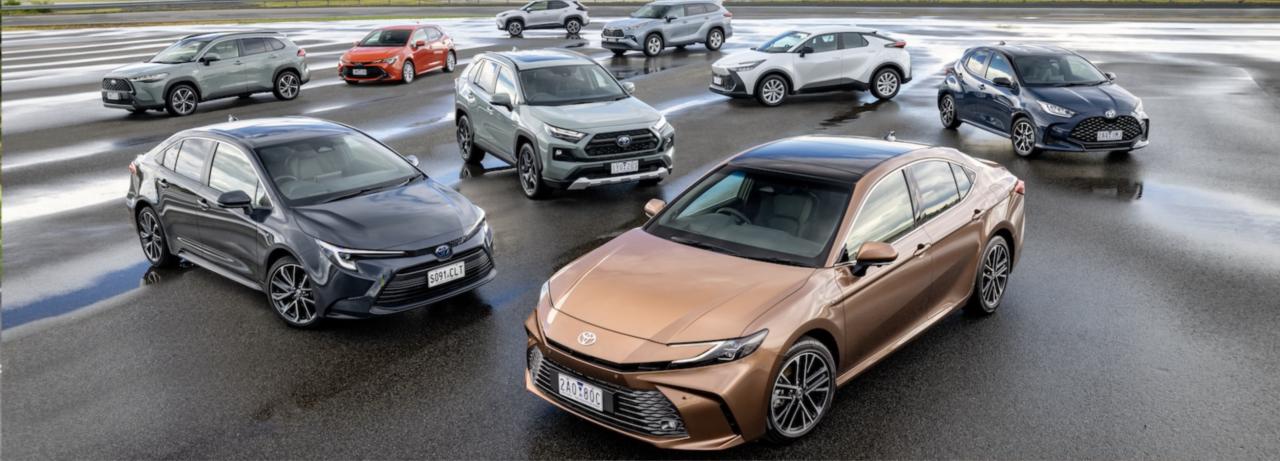
- Yaris Hybrid: Compact and efficient for city life
- Yaris-Cross Hybrid: Small SUV hybrid
- Corolla Hybrid: Smooth and reliable for everyday driving
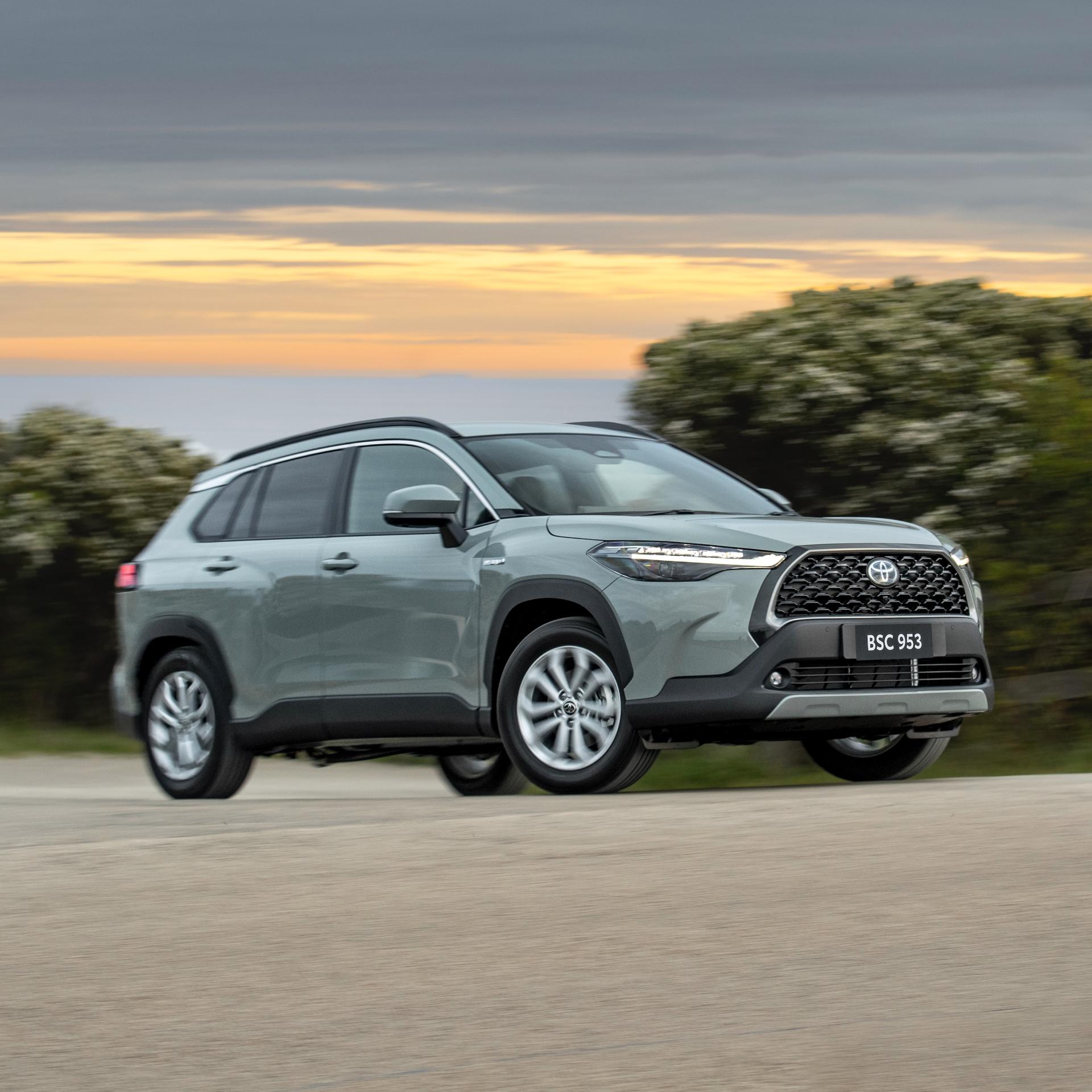
- Toyota Corolla Cross Hybrid: Medium SUV hybrid
- Camry Hybrid: Mid-size hybrid sedan
- C-HR Hybrid: Compact coupe-style SUV hybrid.
- RAV4 Hybrid: The family-friendly all-rounder
- Kluger Hybrid: Spacious seven-seat hybrid SUV
Plug-In Electric Vehicles (PHEV)
How it works:
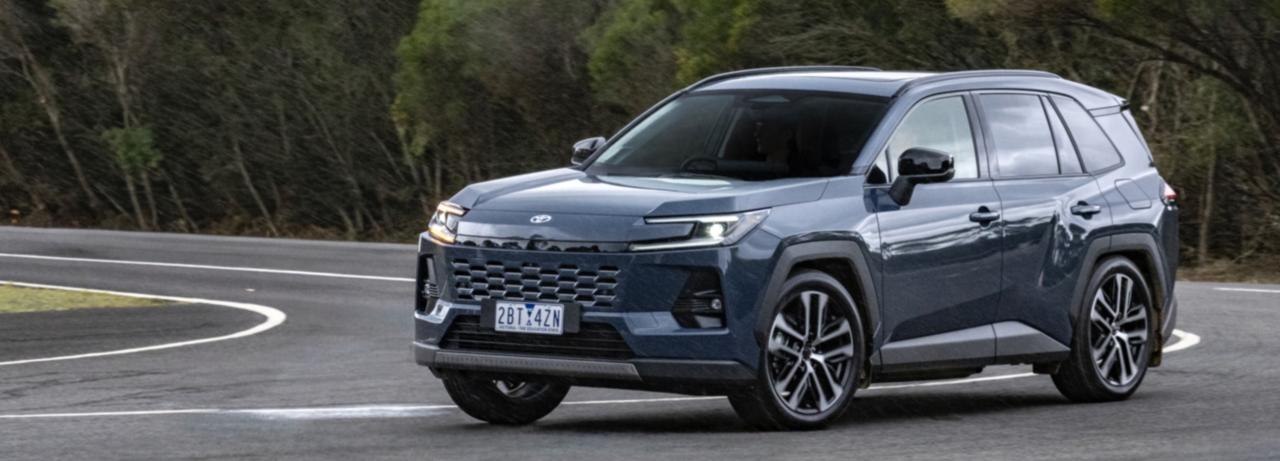
A plug-in hybrid has a larger battery that can be charged using a wall outlet or public charging station. It allows for longer electric-only driving ranges, often up to 100km on the new RAV4 PHEV, before the petrol engine takes over.
Who it's for:
Best suited to drivers who want the flexibility of both electric and petrol power. It works well for short commutes or trips around the Hills where you can run mostly on electric energy, but still have petrol backup for those longer drives to the coast or visiting family further afield.
Toyota example:
The all-new 2026 Toyota RAV4 Plug-In Hybrid (PHEV) is Toyota Australia's first plug-in hybrid, arriving from Q3 2026. It combines a 2.5-litre petrol engine with a 22.7kWh lithium-ion battery, offering up to 100km of electric-only driving range. Prices start from $58,840 plus on-road costs for the XSE 2WD, with the flagship GR Sport AWD PHEV delivering 227kW of combined power.
Hydrogen Fuel-Cell Hybrid (FCEV)
How it works:
A fuel-cell electric vehicle uses hydrogen to generate electricity, powering an electric motor with water vapour as the only emission. It's a hybrid between hydrogen fuel and electric drive.
Who it's for:
Hydrogen vehicles are still in the early stages in Australia. The Toyota Mirai is currently only available in limited numbers for business fleet leasing, with public hydrogen refuelling infrastructure largely restricted to the east coast. Toyota expects FCEVs to become available for private purchase in dealerships by the end of the decade as infrastructure develops.
Toyota example:
The Toyota Mirai showcases Toyota's leadership in hydrogen innovation and represents the future direction of zero-emission driving.

Explore Toyota Hybrids at Kalamunda Toyota
From the compact Yaris Hybrid to the family ready Kluger Hybrid, Kalamunda Toyota offers the full range of Toyota hybrid cars and SUVs right here in the Hills. Our team can walk you through how each hybrid system works, compare models, and arrange a test drive so you can experience the difference for yourself.
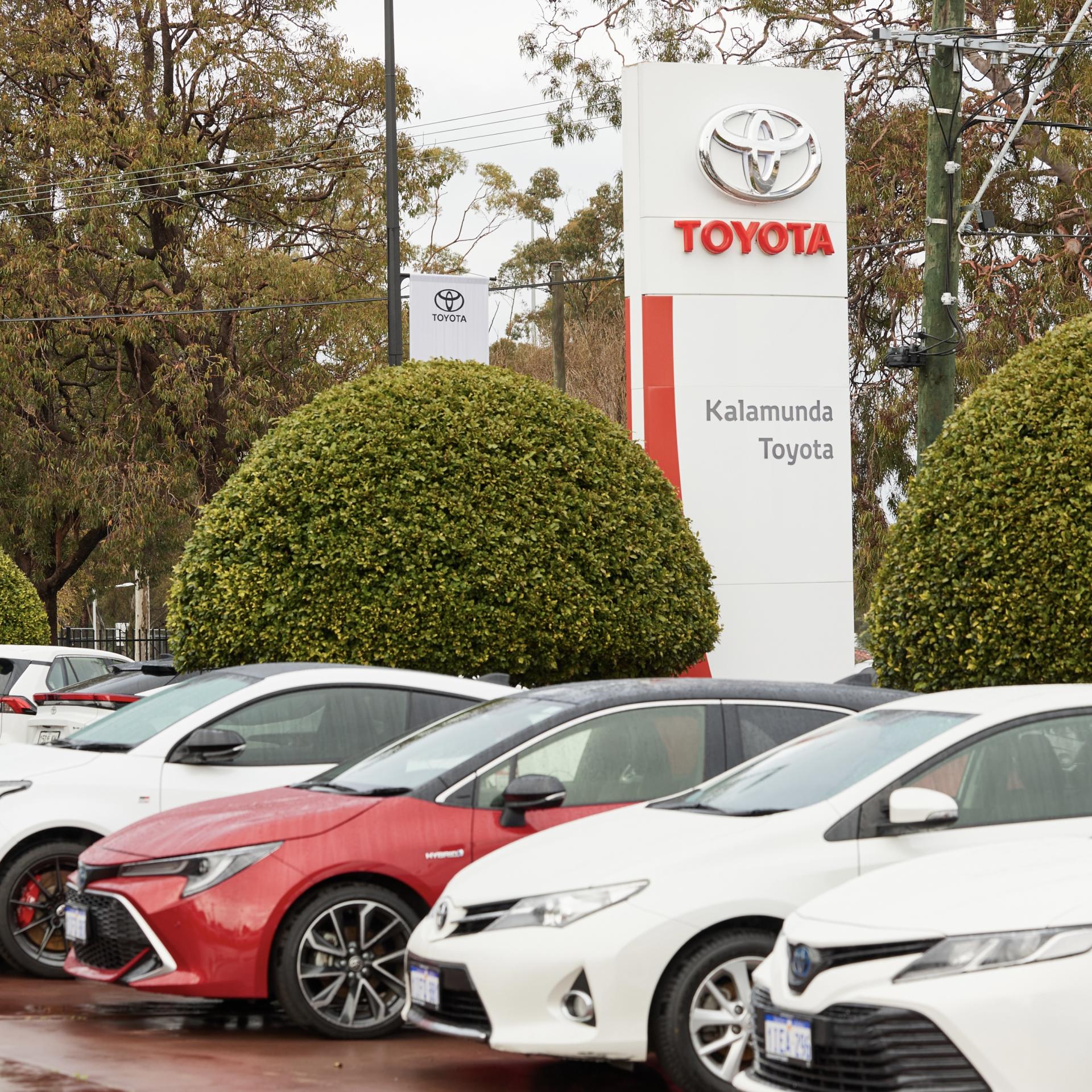
Visit us on Canning Road in Kalamunda, or book your hybrid test drive online today.
More Blogs For You


← Swipe →