


Home EV Charger Installation: What EV and Plug-in Hybrid Owners Need to Know
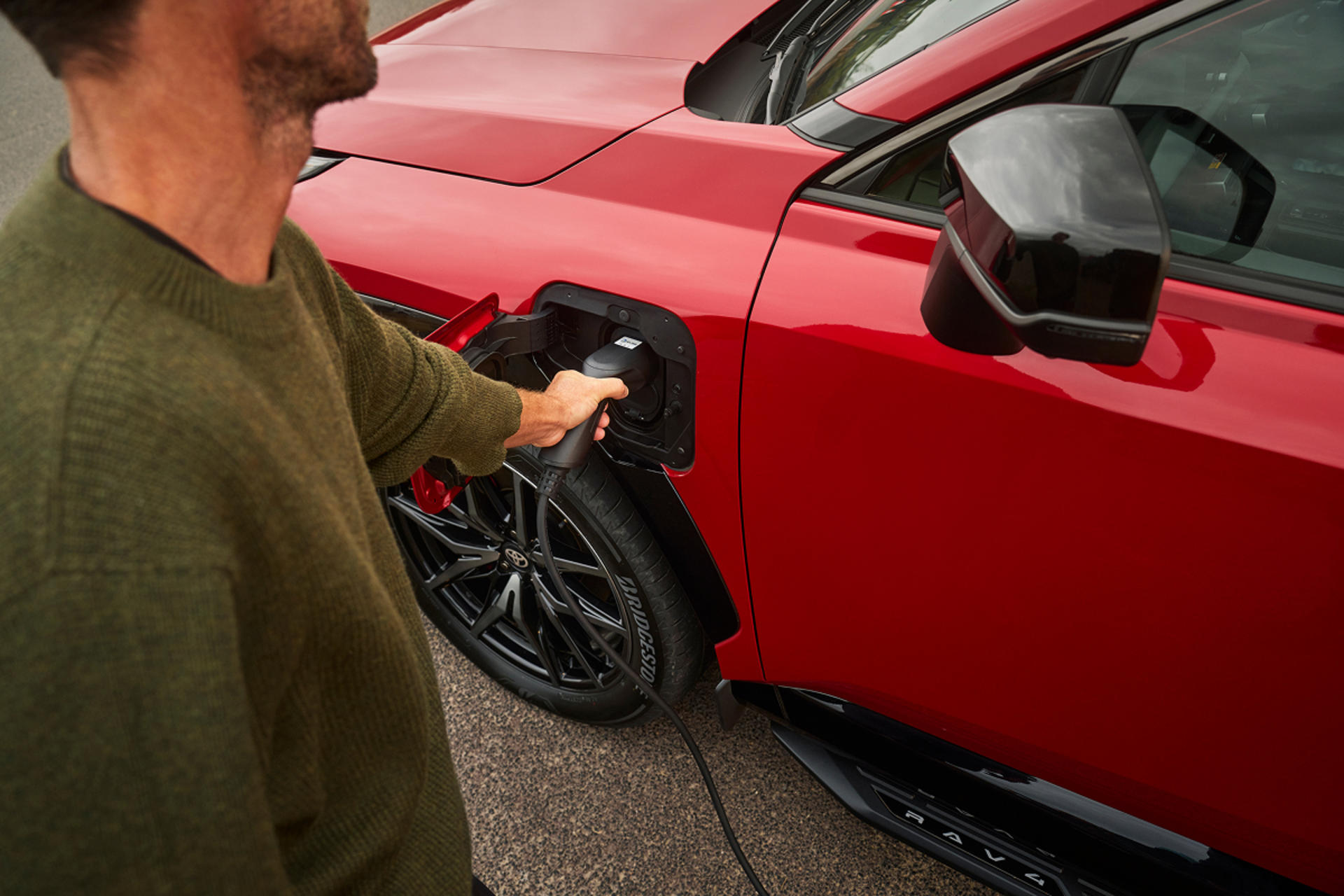
Most electric and plug-in hybrid charging happens at home. Here is how to set it up properly.
Home EV charger installation is one of the first things new electric and plug-in hybrid owners ask us about. The good news is that you may not need a wall charger straight away. Every Toyota battery electric and plug-in hybrid vehicle comes with a cable that plugs into a standard Australian power point. A dedicated wall charger adds speed and convenience, and for many households it is well worth it.
This guide covers what you need to know before you book an installation: the different ways to charge at home, what charger speeds mean, single phase versus three phase power, what affects the cost, charging with solar, choosing an electricity plan in WA and finding the right electrician. If you are also thinking about charging away from home, read our guide to BEV and EV charging options in the Perth Hills.
Do you need a home EV charger?
- A Mode 2 cable, which plugs straight into a standard household power point. It is the slowest way to charge, but it works well for a partial top-up overnight.
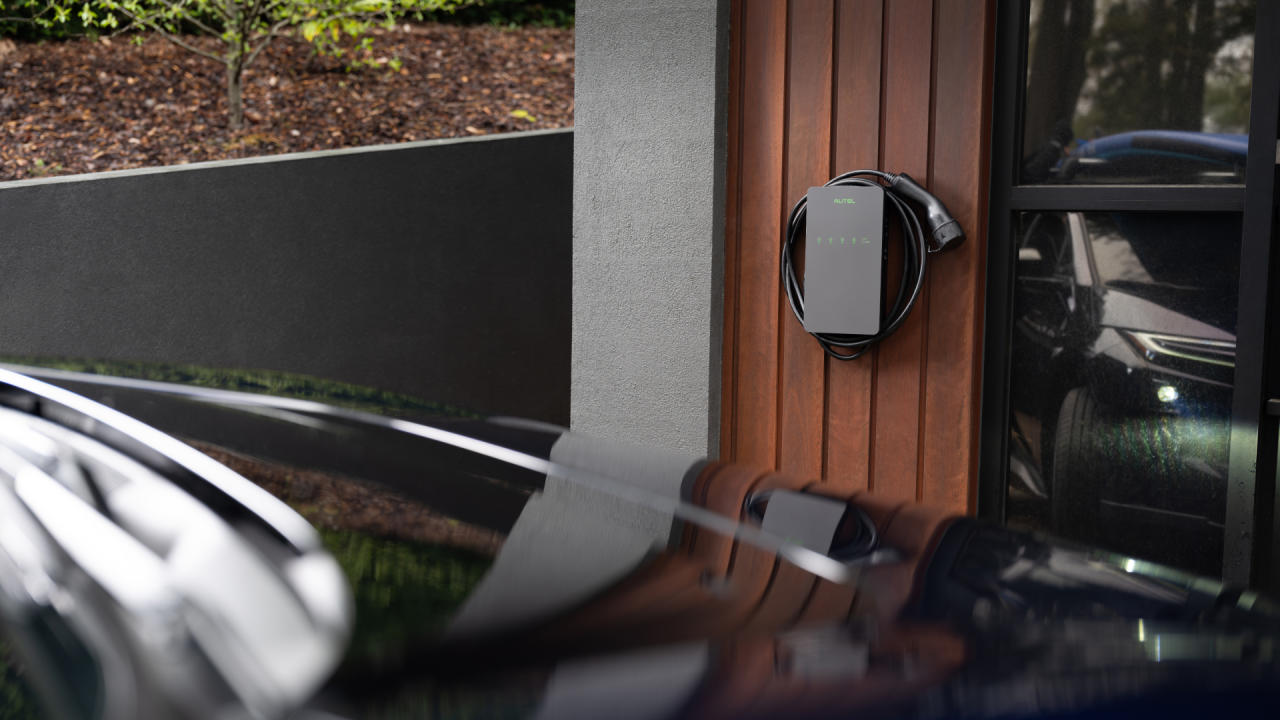
- A Mode 3 cable, which connects your car to a dedicated AC wall charger at home or to a public AC charger.
Whether a wall charger makes sense comes down to your battery size and how far you drive. Plug-in hybrids have smaller batteries, so many owners find the Mode 2 cable is all they need. Fully electric vehicles have much larger batteries, so a wall charger is more practical if you regularly drive long distances. That is worth considering in the Hills, where a round trip to the city or out to a job site can add up quickly.
What do Level 2 and 7kW mean?
You will often see home wall chargers described as "Level 2" chargers. It simply means a dedicated AC charger wired into your home, which is faster than a standard power point. The kW figure tells you the maximum power the charger can deliver. Chargers on a single phase supply usually top out at around 7kW, while chargers on a three phase supply can offer 11kW or 22kW.
There is an important catch: your car can only accept AC power up to its own maximum rate, set by the charger built into the vehicle. A wall charger that is faster than your car’s limit will not charge it any faster. As an example, Toyota quotes approximately 150 minutes for the RAV4 Plug-in Hybrid to charge from 10 to 100 per cent using 11kW three phase charging at 25°C.¹ Maximum charging rates vary between models and grades, so check the specifications for your vehicle or ask our team before choosing a charger.
Single phase or three phase?
Most homes have single phase power, which comfortably supports a wall charger of around 7kW. Some homes, particularly larger properties and those with big workshops or pumps, have three phase power, which can support faster chargers if your car can use the extra speed. If you are not sure which you have, a licensed electrician can tell you when they assess your switchboard. Upgrading from single phase to three phase is possible but adds cost, so it is only worth doing if your car and your driving habits will benefit.
What affects EV charger installation cost?
Every home is different, so there is no single price for installing an EV charger. These are the main factors that affect the cost:
- The charger itself. Prices vary with power output and features such as app control, scheduling and solar integration.
- The distance from your switchboard. The further the cable has to run to where you park, the more labour and materials are involved.
- Your switchboard. Older switchboards may need work or an upgrade to safely handle a charger.
- Your power supply. Three phase chargers, or upgrading to three phase, cost more than a standard single phase setup.
- Where it is mounted. A garage wall is usually simplest. Outdoor or freestanding installations can involve extra work.
The best way to find out what your installation will cost is to get written quotes from licensed electricians who have experience installing EV chargers.
Can you charge an EV with solar?
Yes. If your home has rooftop solar, charging during the middle of the day, when your panels are producing the most power, lets you use your own electricity to top up the car. Some wall chargers can be set up to use excess solar automatically, so the car charges when the sun is shining and your panels are producing more than the house is using.
Solar charging works best if the car is at home during the day. If you commute during daylight hours, overnight charging on a suitable electricity plan may suit you better.
Choosing an electricity plan in WA
The cost to charge at home depends on your electricity plan. Synergy offers an EV Add On plan designed for electric vehicle owners. It is a time of use plan with four pricing periods, including cheaper Super Off Peak rates in the middle of the day and cheaper Overnight rates. The trade-off is that electricity used during the Peak period costs more than on the standard Home Plan (A1), so it suits households that can schedule most of their charging outside peak times.
The EV Add On plan needs a compatible smart meter and has eligibility criteria, and Synergy also offers a Midday Saver plan that may suit solar homes. Compare the options on the Synergy website before you switch.²
Choosing a licensed electrician
In Western Australia, only licensed electricians are permitted to work on electrical installations, and that includes installing an EV charger. When you are comparing quotes, it is worth asking:
- Are you a licensed electrical contractor, and how many EV chargers have you installed?
- Does your quote include an assessment of my switchboard and power supply?
- Which charger do you recommend for my car, and why?
- Will I receive an Electrical Safety Certificate when the work is finished?
- What warranty applies to the charger and to your workmanship?
Under WA regulations, electrical contractors must provide an Electrical Safety Certificate to the person who requested the work, so keep it with your home records. If you rent or live in a strata property, get approval from your landlord or strata body before booking the installation.
Charging safely at home
- Use the charging cables supplied with your Toyota, and follow the instructions in your owner’s manual.
- Never plug a Mode 2 cable into an extension lead, powerboard or double adaptor.
- Check your charging cables regularly for damage, and store them off the ground when not in use.
- If a powerpoint or plug feels hot while charging, stop charging and have a licensed electrician check it.
Thinking about going electric?
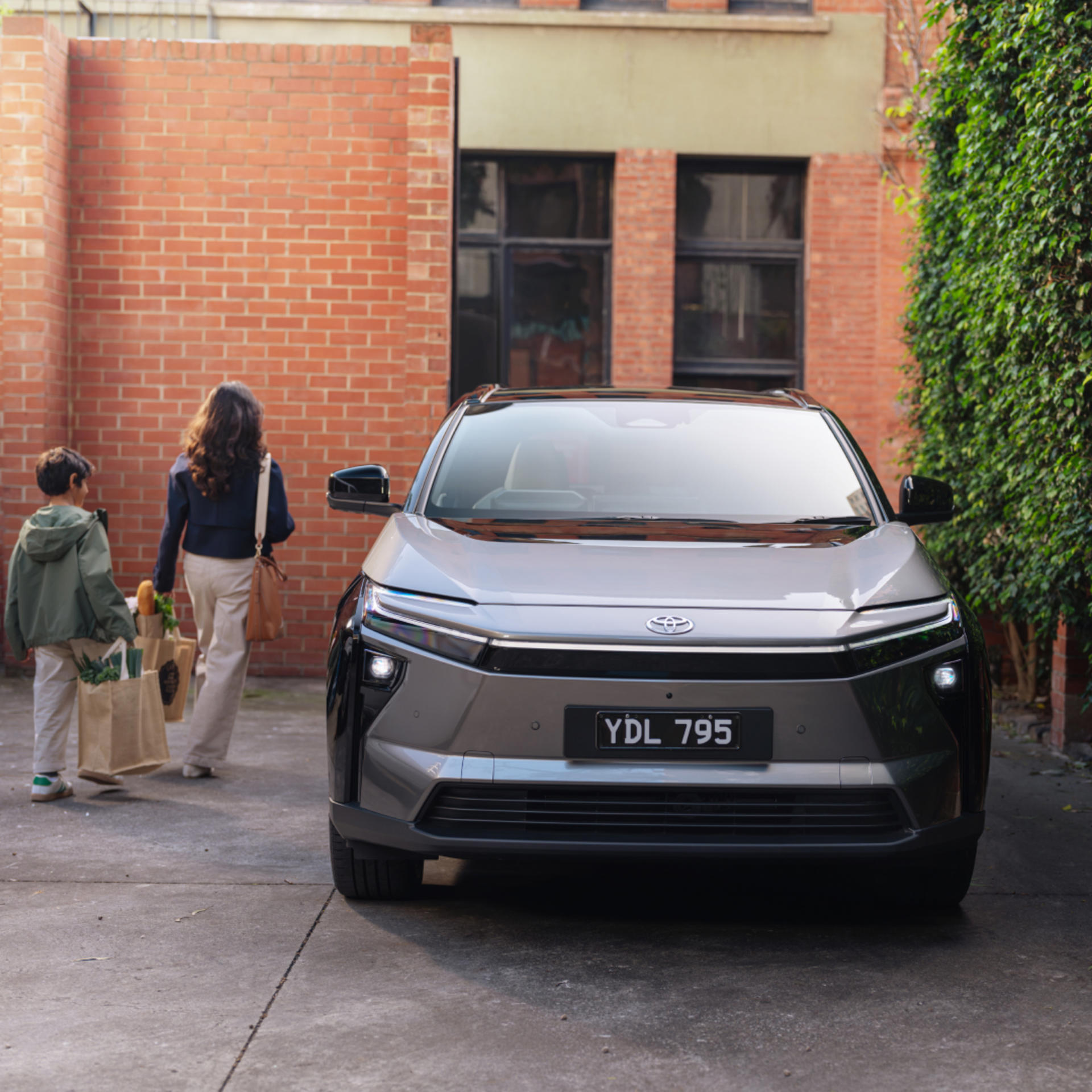
Whether you are looking at a fully electric bZ4X or the RAV4 Plug-in Hybrid, the Kalamunda Toyota team can walk you through how each one charges and what setup would suit your home and your driving. Book a test drive and see how an electrified Toyota handles the Hills for yourself.



Frequently Asked Questions
Do I need a wall charger for my EV or plug-in hybrid?
How much does it cost to install an EV charger at home?
What is a Level 2 EV charger?
Is a 7kW EV charger enough?
Can I charge my EV with solar?
Do I need a licensed electrician to install an EV charger in WA?
What is the Synergy EV Add On plan?
Can I charge a plug-in hybrid from a normal power point?
See What Our Customers Think
4.3 rating out of 308 reviews
Lyona Masters
Been a long time since such service was experienced. Can do attitude from James and also the service dept. Big plus, many females employed there, especially ...
View moreGemma Masters
I had to leave a second review post car purchase, as Kalamunda Toyota have really exceeded my expectations. A few weeks after purchasing a second hand RAV4,...
View moreMia Pernechele
I’ve had another excellent experience with the service department at Kalamunda Toyota, and once again, Amy really stood out. This is the second time Amy has...
View moreDelique Scence
I’ve dealt with *quite* a few of the Toyota dealers in Perth (including my local one that left me standing around for 10 mins while he hid in the office) so ...
View moreMonique Escudier
I just bought a Rav 4 from here! The service and honesty from James was fantastic! Not to mention a beautiful place to go for a test drive and great places f...
View moreGrant Lauterbach
Best service from any Toyota dealer in Perth. Every time I go there it is a 5 star experience. Back again today (02/09/2026) and same red carpet service. One...
View moreDave T
Spoke with Brodie from the service team - super friendly and helpful!
S H
Great team, polite and helpful.
Waqas Masood
I had an opportunity to buy a pre-owned vehicle from Kalamunda Toyota! The team made it feel more than just a transaction: it was a wonderful experience. Th...
View moreZaini Malik
great experience with kalamunda toyota. reasonable prices as compared with market. Buy toyota camry 2020 sports hybrid . Highly recommend.
← Swipe →

Kalamunda Toyota
- Monday: 8:00am-6:00pm
- Tuesday: 8:00am-6:00pm
- Wednesday: 8:00am-8:00pm
- Thursday: 8:00am-6:00pm
- Friday: 8:00am-6:00pm
- Sat: 8:00am-1:00pm
- Sun: Closed
Disclaimers
Charging times (1)
Electricity plans (2)
Electrical installation
Enquiry Form
Kalamunda Toyota
Kalamunda Toyota - Service
Kalamunda Toyota - Parts
More Blogs For You


← Swipe →