.png&w=128&q=75)


How Toyota Hybrids Work and Why They're Built for Rising Fuel Costs
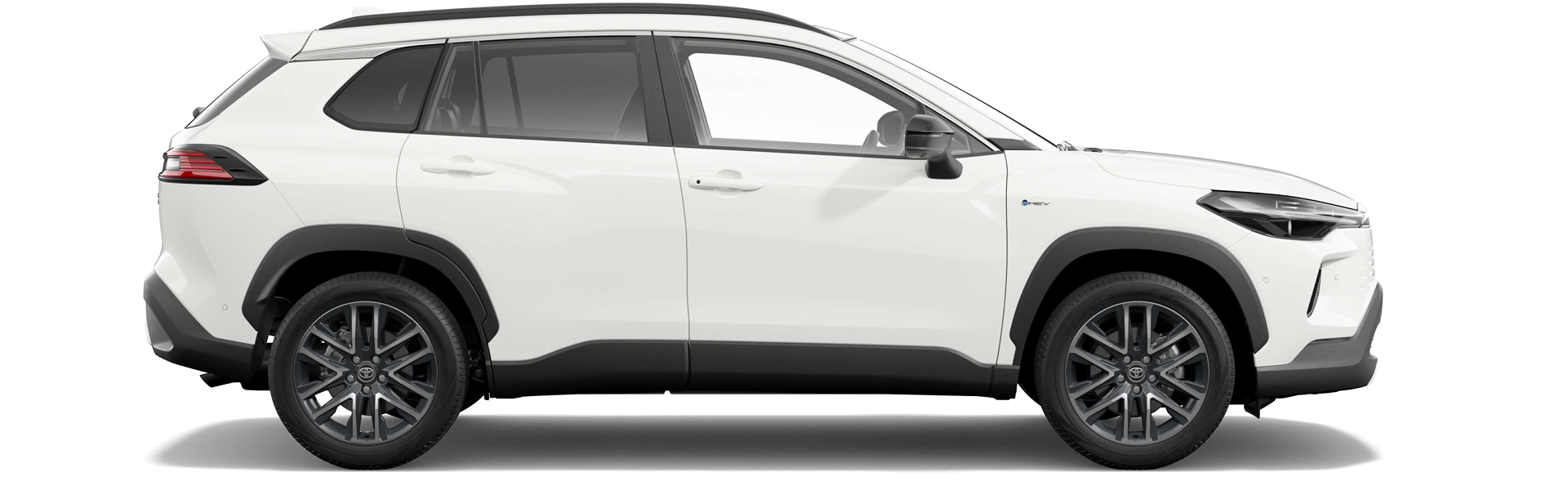
If you have ever sat at a servo staring at a number that did not exist six months ago and thought, 'there has to be a better way,' you are not alone. Petrol prices across Australia have spiked sharply in recent weeks, and the question we are hearing most often right now is a simple one: do hybrids actually make a difference?
The short answer is yes. But let us not just take that on faith. Here is exactly how a Toyota hybrid works, in plain English, and why the way it works is particularly well-suited to the kind of driving most of us do in the Hills.
First, What Actually Is a Toyota Hybrid?
A Toyota hybrid is a vehicle that uses two power sources: a petrol engine and an electric motor. The clever part is that these two systems work together automatically, constantly choosing the most efficient option for whatever you are doing at any given moment.
You do not choose when to use petrol and when to use electric. The car handles that itself. And you never plug it in. Toyota's hybrid vehicles are self-charging, which means the battery charges itself as you drive.
A Toyota hybrid gives you the efficiency of electric power with the range and convenience of a regular petrol car. Nothing about your routine changes.

How Does the Battery Charge Itself?
This is the part that surprises most people. Toyota hybrids charge their battery through two main methods:
1. Regenerative Braking
Every time you slow down or apply the brakes, your Toyota hybrid recovers energy that would otherwise be lost as heat and converts it back into electricity to charge the battery. This is called regenerative braking.
In everyday driving around Kalamunda, Maida Vale, Forrestfield, or anywhere with traffic lights, roundabouts, and hills, you are braking regularly. Every one of those moments is quietly topping up the battery. It is energy that a regular petrol car just wastes.
2. The Petrol Engine
When conditions are right, the petrol engine also charges the battery directly. The hybrid system monitors both power sources constantly and keeps the battery in an optimal range without you doing anything.
What the Electric Motor Actually Does
The electric motor in a Toyota hybrid does most of its work at low speeds. When you pull away from a stop, crawl through traffic, or navigate a roundabout at low pace, the system often runs on electric power alone. The petrol engine has not even started yet.
This is important because petrol engines are least efficient at low speeds and under light loads. In a regular car, those short, slow drives around town burn disproportionately more fuel per kilometre than highway driving. A hybrid sidesteps that entirely.
When you need more power, such as merging onto Roe Highway, climbing Welshpool Road, or overtaking on the Great Eastern Highway, the petrol engine steps in. Often both work together to give you the pull you need. The transition is seamless. You just drive.
Hills driving, with its stops, slopes, and suburban streets, is exactly the kind of driving where Toyota hybrids shine brightest.
When you need more power, such as merging onto Roe Highway, climbing Welshpool Road, or overtaking on the Great Eastern Highway, the petrol engine steps in. Often both work together to give you the pull you need. The transition is seamless. You just drive.
Why Does This Matter Right Now?
When petrol is cheap, the fuel savings from a hybrid are real but easy to ignore. When petrol is sitting at $2.10 a litre and climbing, they become impossible to overlook.
Here is what the difference looks like in practice. The average Australian drives around 15,000 kilometres per year. A typical petrol-only SUV consuming around 8L/100km costs roughly $2,520 in fuel annually at current prices. A Toyota hybrid SUV, depending on the model, might consume between 3.8L and 5.6L per 100km. That translates to an annual saving of anywhere from $750 to more than $1,300.
That is money that stays in your pocket every year, not just this year.
Does It Work Better in Some Conditions Than Others?
Yes, and this is where it gets particularly relevant for the Hills.
Toyota hybrids are at their most efficient in stop-start conditions: traffic lights, roundabouts, school zones, and anything under 60km/h. This is when the electric motor carries most of the load and the petrol engine has barely woken up.
The Hills adds another dimension: gradients. When you come down Lesmurdie Road or descend into the valley from the ridge, your hybrid is regenerating energy the whole way down. That downhill run is quietly banking electricity for the next uphill climb. A regular petrol car just rides the brakes.
If you do a lot of town driving, school runs, or hilly routes, a Toyota hybrid will almost certainly beat its official fuel consumption figure in your real-world driving.
Do You Need to Do Anything Differently?
No. That is genuinely one of the best things about a Toyota hybrid.
You fuel it like any other petrol car. You service it on the same schedule. You drive it the same way. The only thing you will notice differently is the fuel gauge moving more slowly and a quieter cabin around town when the electric motor is running.
Some hybrid drivers find themselves glancing at the energy monitor more than expected, watching the system work. That is less a distraction and more a pleasant discovery that the car is smarter than you expected.
Which Toyota Hybrids Are Available Right Now?
Kalamunda Toyota currently has a range of self-charging hybrid models available. Fuel consumption figures are from ADR81/02 combined cycle testing:
| Yaris Cross Hybrid | 3.8L/100km (2WD) | City commuters, compact SUV |
| 4.0L/100km | Style-focused buyers | |
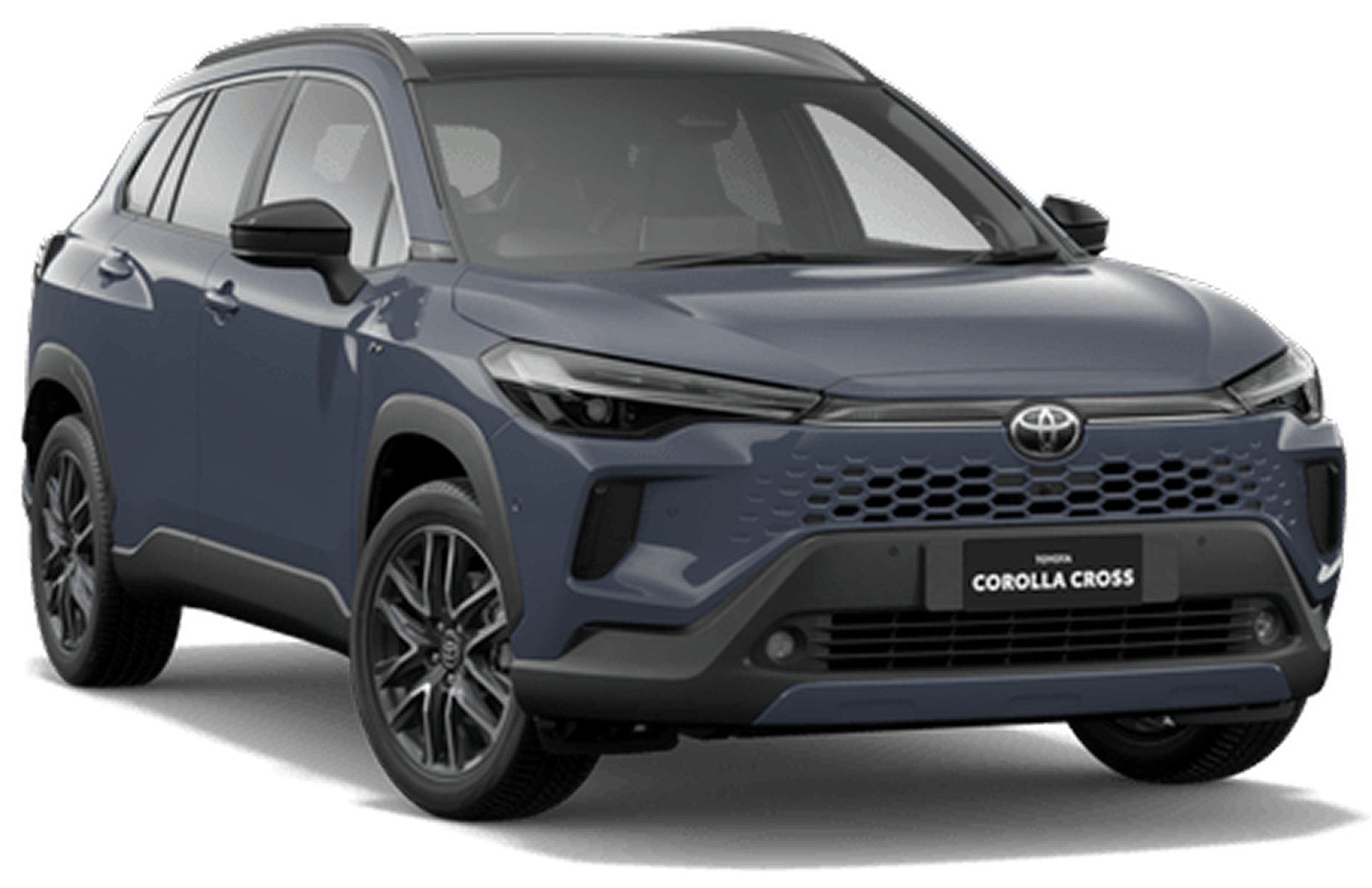
| Corolla Cross Hybrid | 4.2L/100km (2WD) | Small families, practicality |
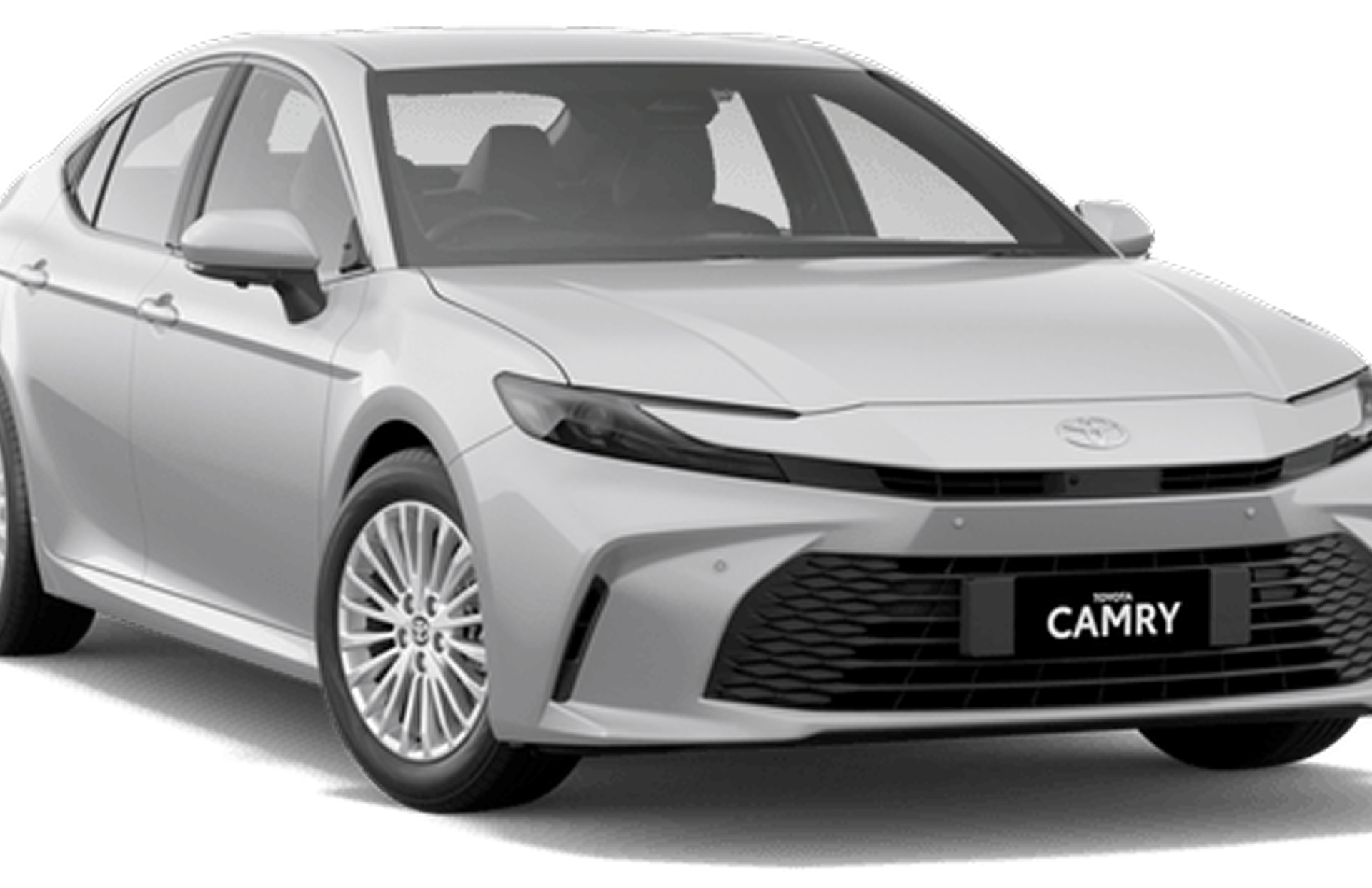
| Camry Hybrid | 4.0L/100km | Long distances, executive comfort |
| RAV4 Hybrid | 4.7-4.8L/100km | Adventure, AWD, families |
| Kluger Hybrid | 5.6L/100km | 7 seats, towing, large families |
Fuel consumption figures based on ADR81/02 laboratory testing. Actual consumption varies depending on driving conditions, vehicle condition, load and accessories fitted.
Real Care. Real Advice.
At Kalamunda Toyota, we are not here to sell you the most expensive option on the lot. We are here to help you make the right call for your family, your budget, and the kind of driving you actually do.
If you are curious about whether a hybrid makes sense for your situation, come in and have a chat. Bring your questions. Bring your fuel receipts if you like. We can walk through the numbers together and get you behind the wheel of a hybrid for a test drive, so the fuel economy monitor can do the talking.
The team at Kalamunda Toyota is your local Toyota dealer in the Hills, and we are here for the long run.
DISCLAIMER
Enquiry Form

- Monday: 8:00am-6:00pm
- Tuesday: 8:00am-6:00pm
- Wednesday: 8:00am-8:00pm
- Thursday: 8:00am-6:00pm
- Friday: 8:00am-6:00pm
- Sat: 8:00am-1:00pm
- Sun: Closed
See What Our Customers Think
4.4 rating out of 284 reviews
Waqas Masood
I had an opportunity to buy a pre-owned vehicle from Kalamunda Toyota! The team made it feel more than just a transaction: it was a wonderful experience. Th...
View moreZaini Malik
great experience with kalamunda toyota. reasonable prices as compared with market. Buy toyota camry 2020 sports hybrid . Highly recommend.
Megan Simmonds
Great service. Great new car.
Joanna Smalpage
We recently purchased a new LC 300 VX through Kalamunda Toyota. Joss Clark , the new car manager was sensational and assisted us through it all, great price,...
View moreBelinda Reffell
We bought a car last year and have had a few warranty issues since, but Amy has made the whole experience unbelievably easy. She’s been fantastic every singl...
View morePatrick F
My family and i had a such a great experience at Kalamunda Toyota buying a used 2021 Hyundai i30 N line. Claudine our sales consultant was perfect after look...
View moreKellie Wholagan
We had the pleasure of Claudine helping us with the purchase of our new vehicle. Claudine is so friendly , professional and easy to communicate with. We felt...
View moreBehrouz Daei Zadeh
I had a very positive experience with Kalamunda Toyota. Brad Duffy was extremely helpful throughout the entire process, providing clear guidance and support ...
View moreMat !L Locale
Best Toyota in WA! Thanks Amy for sorting us out 🙌🏽
Bodean Buckingham
Fast efficient turn around of car servicing with good communication
← Swipe →
More Blogs For You


← Swipe →