.png&w=128&q=75)


What Changes When a Car Goes Electric?

Same Toyota. Different engine. Here is what actually changes.
If you have been driving a petrol, diesel, or hybrid vehicle your whole life, the idea of switching to a fully electric car can feel like a big unknown. What actually changes under the bonnet? What feels different when you drive it? And what gets better?
The short answer is: more than you might expect - and most of it is a genuine improvement. This guide explains exactly what shifts when a car moves from a combustion engine to a battery electric vehicle (BEV), written for everyday drivers rather than engineers.
The engine is gone. Here is what replaces it.
In a petrol or diesel car, the engine is a complex machine with hundreds of moving parts - pistons, valves, a crankshaft, a gearbox, and an exhaust system. All of that is working together every time you drive, and all of it can wear out over time.
In a battery electric vehicle, the internal combustion engine is replaced by an electric motor. Electric motors have far fewer moving parts - which means less to service, less to go wrong, and less mechanical noise when you are behind the wheel.
There is no exhaust pipe, no radiator for engine coolant, and no gearbox in the traditional sense. The drivetrain is genuinely simpler, and that simplicity has real benefits for day-to-day ownership.
Why electric vehicles feel faster off the mark
This is one of the first things drivers notice when they get behind the wheel of an electric vehicle for the first time. In a petrol car, the engine needs to build revs before it delivers its full torque - the pulling force that gets you moving. There is a brief moment of lag between pressing the accelerator and feeling the car respond.
In an electric vehicle, torque is delivered instantly. From the moment you press the pedal, the motor responds at full force. The result is immediate, smooth acceleration with no waiting for the engine to catch up. This does not mean electric vehicles are only for performance drivers. For everyday driving - merging onto a freeway, overtaking on a country road, pulling away from a set of lights - instant torque makes the car feel more responsive and confident in situations where that matters.
Charging instead of refuelling
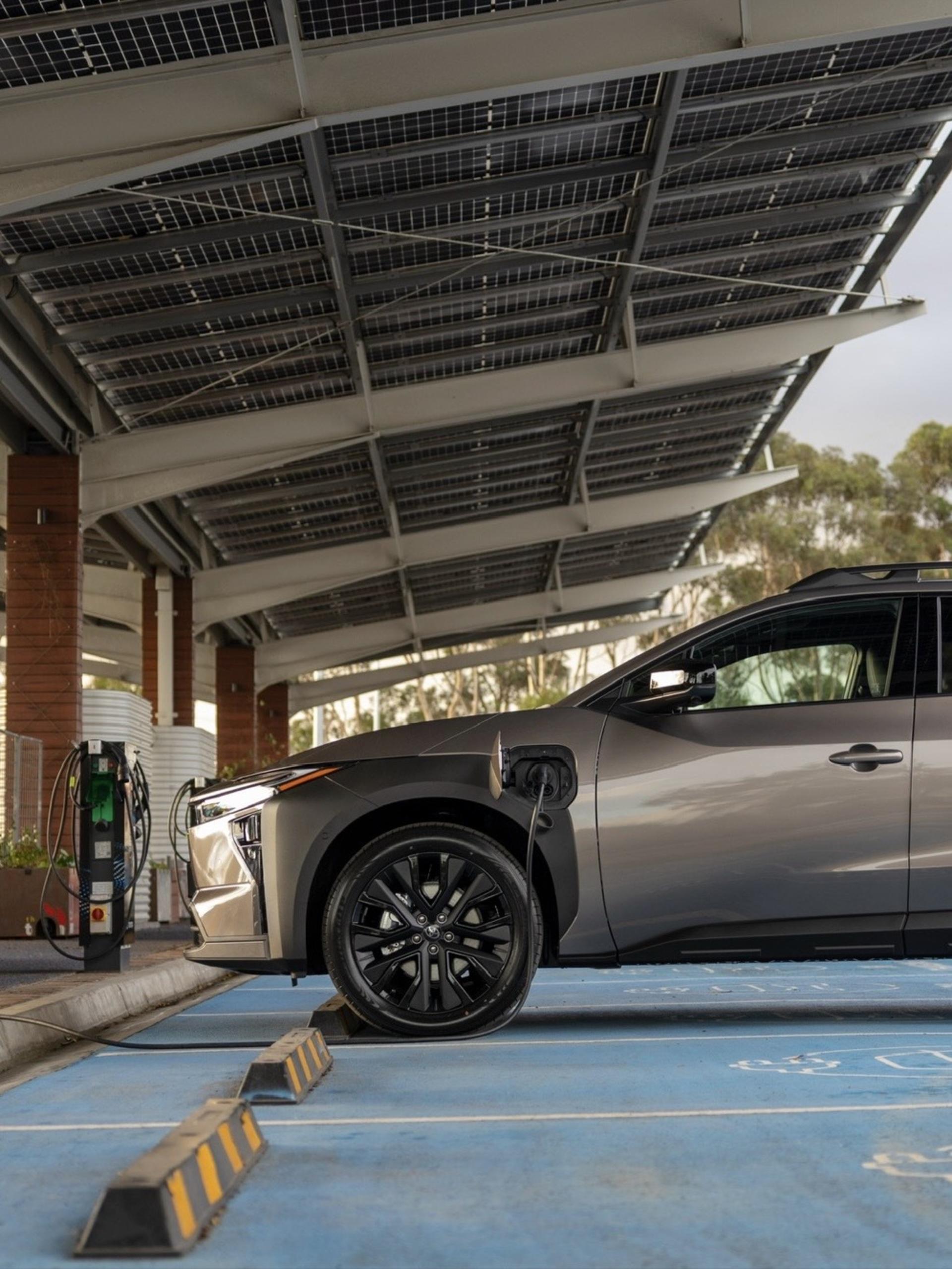
One of the biggest practical changes in daily life is how you refuel. Instead of visiting a petrol station, most electric vehicle owners charge overnight at home - plugging in before bed and waking up to a full battery. For drivers in the Perth Hills, this can mean fewer trips down to the freeway for fuel. Your car is ready every morning without a dedicated stop.
Public charging infrastructure across Western Australia continues to grow, and Kalamunda Toyota can help you understand what charging looks like for your specific driving habits and routes.
What happens to running costs
Electricity is significantly cheaper per kilometre than petrol or diesel in most Australian driving conditions. The exact saving depends on your electricity tariff, your driving distance, and whether you use home solar - but many EV owners report meaningful reductions in weekly fuel spend.
Servicing costs also tend to be lower over time. Without an engine oil, timing belt, spark plugs, or exhaust system to maintain, the list of scheduled service items is shorter. Brake wear can also reduce on electric vehicles because of a feature called regenerative braking, which uses the motor to slow the car and returns some energy to the battery in the process.
What stays exactly the same
It is worth being clear about what does not change when a vehicle goes electric.
The way you steer, brake, and control the car is identical to any other vehicle. Seating, storage, towing capacity, and load ratings are determined by the vehicle's design - not its engine type. Safety systems, driver assistance technology, and infotainment all work the same way.
And if you are in the Toyota family, the standard of build quality, durability, and after-sales support stays exactly the same. Toyota-trained technicians at Kalamunda Toyota are equipped to service electric vehicles, and Toyota Genuine Parts remain the benchmark for replacements.
What is the difference between a Hybrid and a fully Electric Vehicle?
This is one of the most common questions for drivers considering the switch.

A Hybrid vehicle (HEV) still has a petrol engine as its primary power source. It uses a small electric motor and battery to assist the engine and improve fuel economy - but you still fill it up at a petrol station. You do not plug it in.
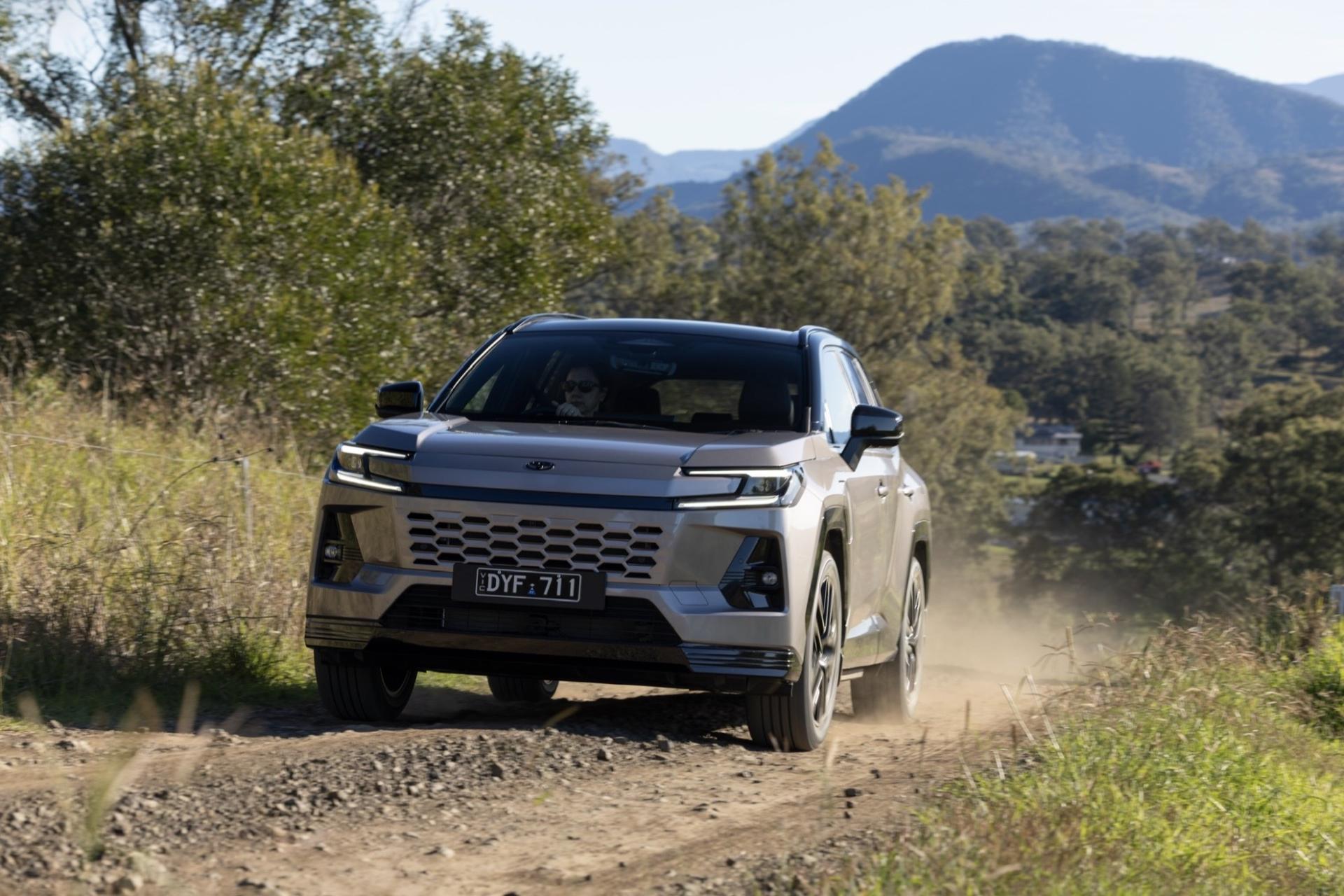
A Plug-in Hybrid (PHEV) adds a larger battery that can be charged from a power point, giving a short range on electricity alone before the petrol engine takes over.
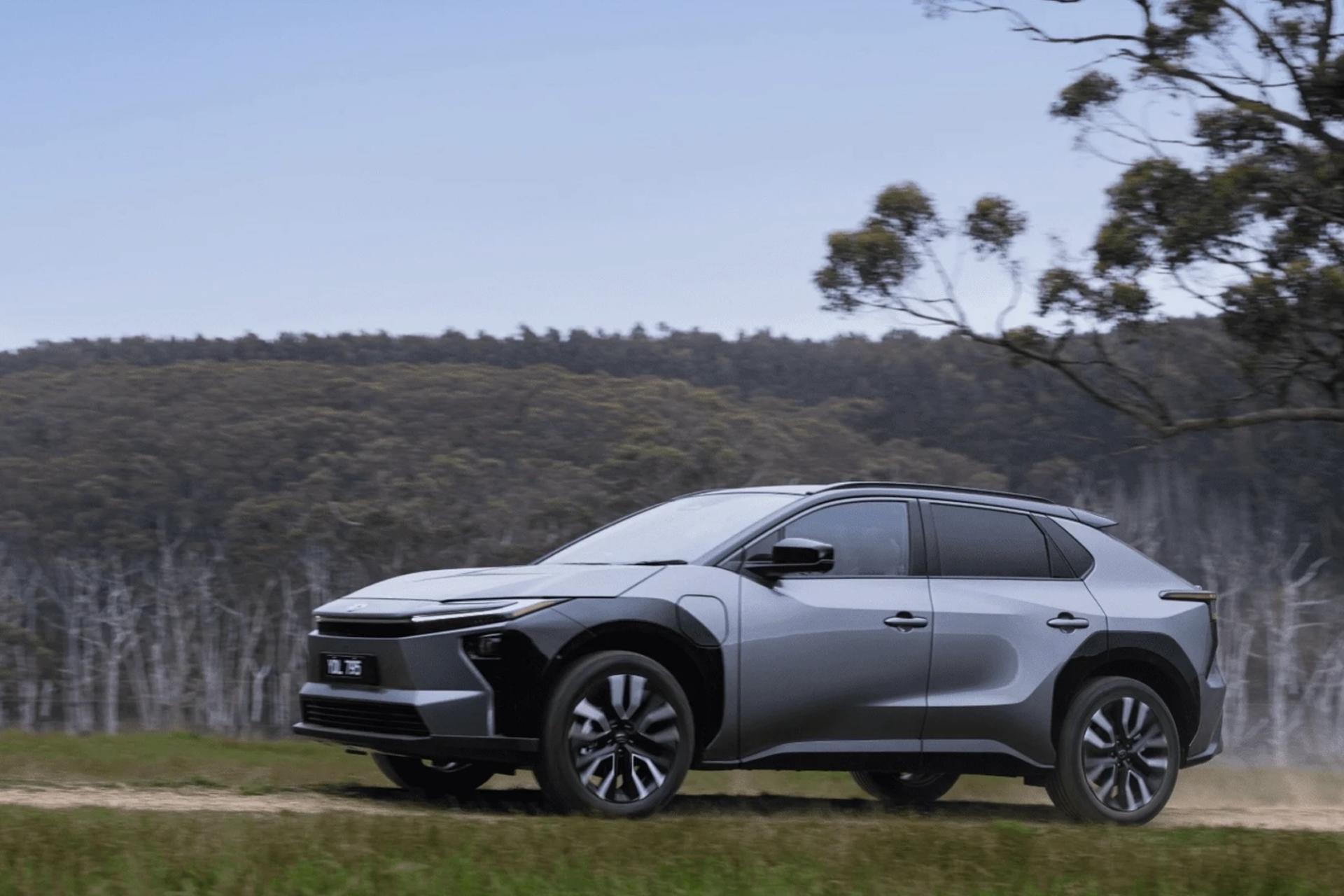
A Battery Electric vehicle (BEV) runs entirely on electricity. There is no petrol engine. You charge it at home or at a public charging station. There is no fuel tank and no trips to the petrol station.
Frequently Asked Questions
Do electric vehicles work in hilly terrain like the Perth Hills?
How long does it take to charge an electric vehicle?
Are electric vehicles expensive to service?
What happens to the battery over time?
Can I tow with an electric vehicle?
Is an electric vehicle right for driving in and around Kalamunda?
See What Our Customers Think
4.3 rating out of 296 reviews
Grant Lauterbach
Best service from any Toyota dealer in Perth. Every time I go there it is a 5 star experience. Back again today (02/09/2026) and same red carpet service. One...
View moreDave T
Spoke with Brodie from the service team - super friendly and helpful!
S H
Great team, polite and helpful.
Waqas Masood
I had an opportunity to buy a pre-owned vehicle from Kalamunda Toyota! The team made it feel more than just a transaction: it was a wonderful experience. Th...
View moreZaini Malik
great experience with kalamunda toyota. reasonable prices as compared with market. Buy toyota camry 2020 sports hybrid . Highly recommend.
Megan Simmonds
Great service. Great new car.
Joanna Smalpage
We recently purchased a new LC 300 VX through Kalamunda Toyota. Joss Clark , the new car manager was sensational and assisted us through it all, great price,...
View moreBelinda Reffell
We bought a car last year and have had a few warranty issues since, but Amy has made the whole experience unbelievably easy. She’s been fantastic every singl...
View morePatrick F
My family and i had a such a great experience at Kalamunda Toyota buying a used 2021 Hyundai i30 N line. Claudine our sales consultant was perfect after look...
View moreKellie Wholagan
We had the pleasure of Claudine helping us with the purchase of our new vehicle. Claudine is so friendly , professional and easy to communicate with. We felt...
View more← Swipe →

Kalamunda Toyota
- Monday: 8:00am-6:00pm
- Tuesday: 8:00am-6:00pm
- Wednesday: 8:00am-8:00pm
- Thursday: 8:00am-6:00pm
- Friday: 8:00am-6:00pm
- Sat: 8:00am-1:00pm
- Sun: Closed
Kalamunda Toyota - Service
Kalamunda Toyota - Parts
Disclaimers
General EV information
Stock availability
Enquiry Form
Kalamunda Toyota
Kalamunda Toyota - Service
Kalamunda Toyota - Parts
More Blogs For You


← Swipe →