.png&w=128&q=75)


Signs It Is Time to Replace Wiper Blades
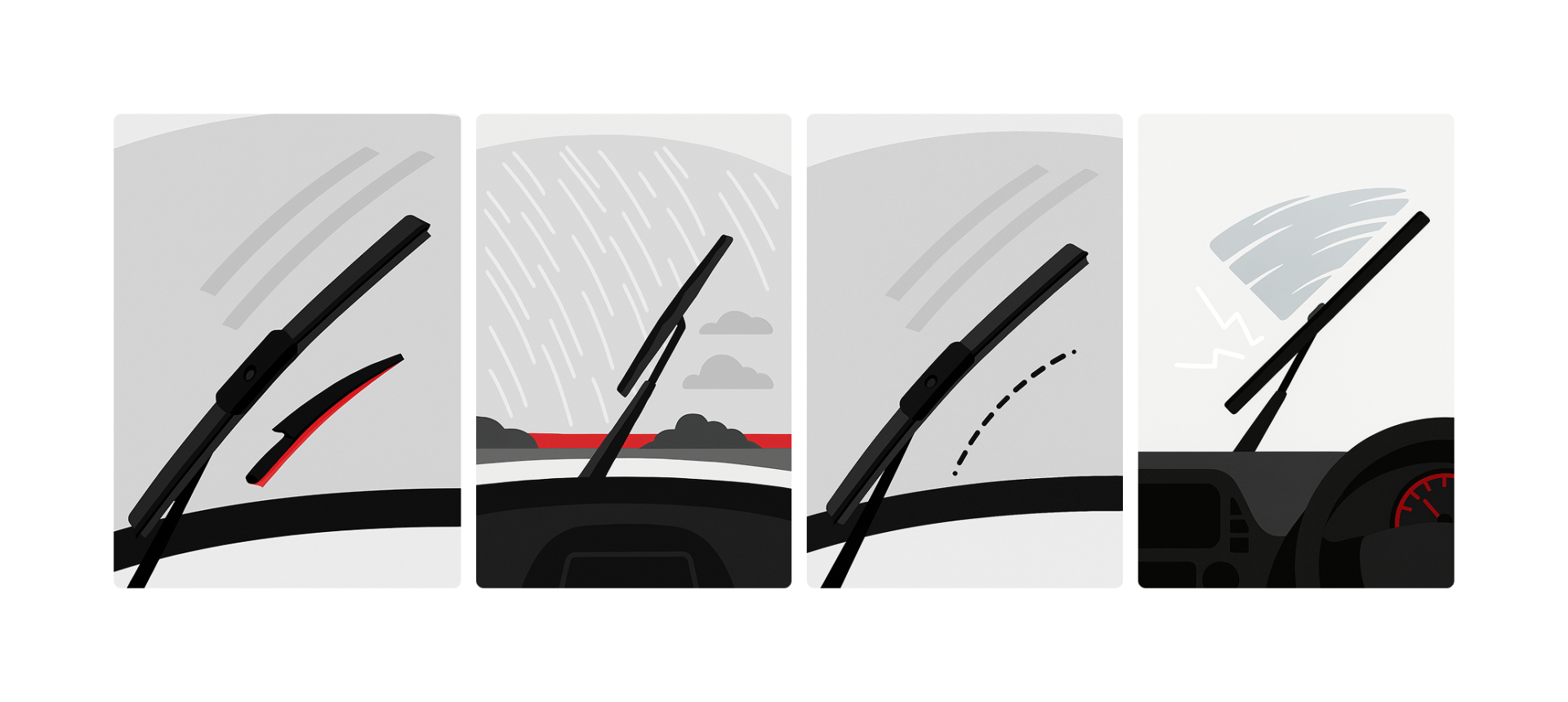
Up in the Perth Hills, your windscreen wipers work harder than most. Between the gum trees, the morning fog rolling through the valleys, and the long dry summers, the rubber on your wiper blades takes a beating.
At Kalamunda Toyota, we want every local driver to know when their wiper blades need replacing, so you keep a clear view of the road in every season. Worn windscreen wipers are one of the easiest things to overlook and one of the cheapest to fix. Knowing the signs means you can sort them out before the next downpour or the next foggy Hills morning catches you out.
Clear glass, every Hills season.
Here is how to know when it is time for new wiper blades.
Your wipers leave streaks or smears
If your wipers smear the glass or leave streaky lines behind instead of clearing it, the rubber edge has most likely worn down or hardened. Streaking is worst in low light, so you tend to notice it on an early Hills morning or driving home after dark. Once the rubber stops making clean contact, no amount of washer fluid will fix it.
They skip, chatter or judder across the glass
A wiper that bounces, chatters or judders as it moves usually means the rubber has warped or gone stiff. Long days parked in the summer sun are a common cause, and the temperature swings between a cold Hills morning and a hot afternoon speed it up. A juddering blade misses patches of glass on every pass.
They squeak or screech when wet
A squeak or screech across the windscreen is more than just an annoying noise. It is a sign the rubber has dried out, hardened or split. Tree sap and fine pollen from the surrounding bush settle on the glass and the blade, and that grit wears the rubber down faster than you would expect.
You can see splits or cracks in the rubber
Lift each wiper arm and run a finger along the rubber edge. If you can see or feel splits, cracks or flaking, the blade is past its best. Worn rubber does not just clean poorly, it can also drag grit across your windscreen and leave fine scratches in the glass. If the rubber looks rough, it is time to replace the blade.
Why wiper blades wear faster in the Perth Hills
Wiper blades wear out everywhere, but the Hills environment is harder on them than the suburbs closer to the coast. A few local factors add up:
- Tree sap and gum-leaf litter coat the blade and the glass, and the sticky residue chews through the rubber edge.
- Fine pollen and bush dust act like a mild sandpaper every time the blade sweeps across the windscreen.
- During the warmer months, smoke haze and ash from seasonal burns leave a gritty film that the wipers have to clear.
- Heavy morning dew and valley fog mean your wipers run more often, so they simply do more work through the year.
- Strong summer sun and the temperature swings at elevation dry out and crack the rubber over time.
As a general guide, it is worth checking your wiper blades every six to twelve months and replacing them when you notice any of the four signs above.
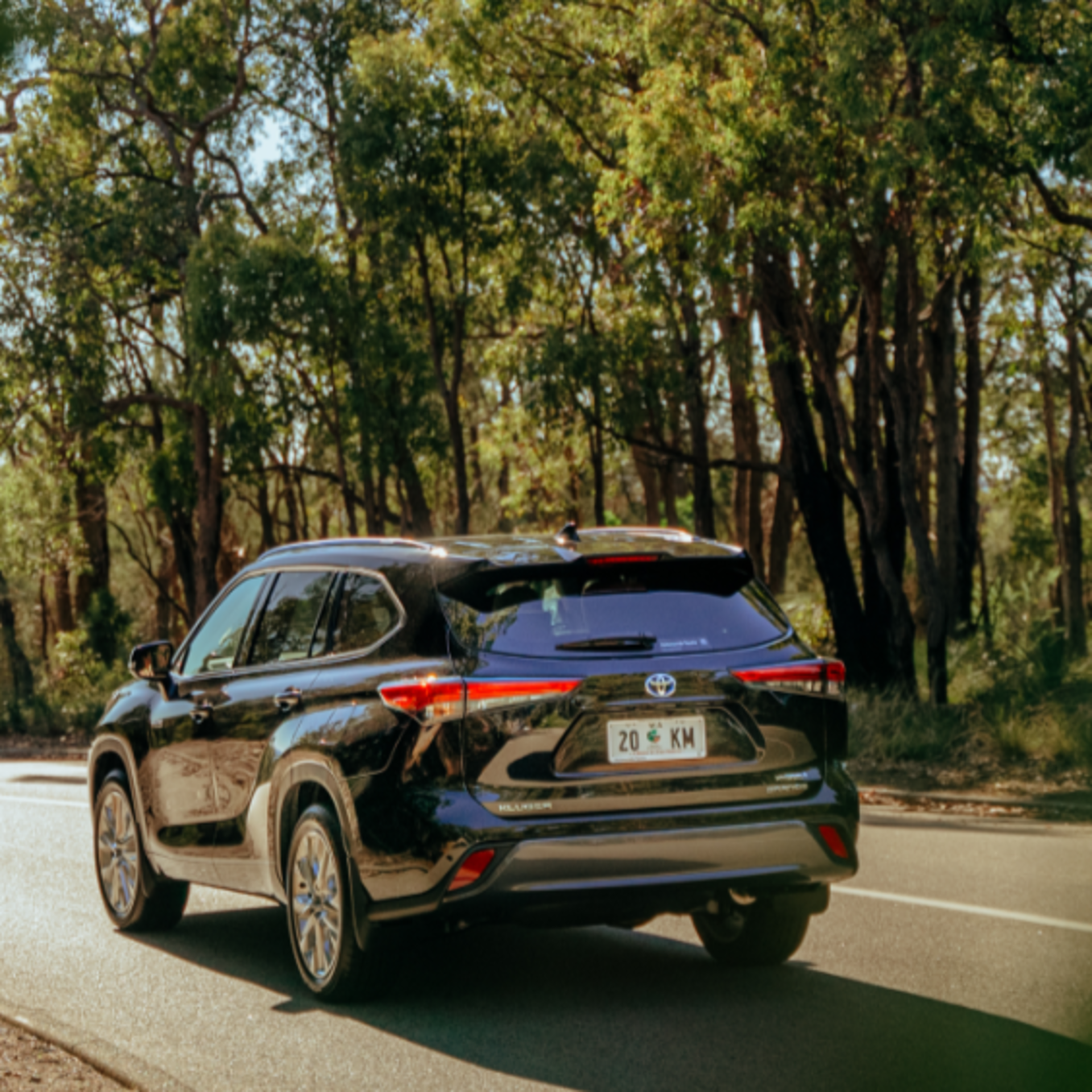
Book Your Wiper Blade Replacement at Kalamunda Toyota
If your windscreen wipers are streaking, squeaking or no longer clearing the glass properly, it may be time for a replacemen. At Kalamunda Toyota, we stock Genuine Toyota wiper blades designed to fit your vehicle and help you keep your visibility clear in all Perth Hills conditions.

Book a service with our team or visit our showroom, and we'll help ensure your Toyota is ready for the road, whatever the weather brings.
Frequently Asked Questions
How do you know when to replace your wiper blades?
How often should you replace wiper blades in Australia?
Why do my wipers squeak or smear?
Why choose genuine Toyota wiper blades?
Can Kalamunda Toyota replace my wiper blades?
Do worn wiper blades damage my windscreen?

Kalamunda Toyota
- Monday: 8:00am-6:00pm
- Tuesday: 8:00am-6:00pm
- Wednesday: 8:00am-8:00pm
- Thursday: 8:00am-6:00pm
- Friday: 8:00am-6:00pm
- Sat: 8:00am-1:00pm
- Sun: Closed
See What Our Customers Think
4.3 rating out of 296 reviews
Grant Lauterbach
Best service from any Toyota dealer in Perth. Every time I go there it is a 5 star experience. Back again today (02/09/2026) and same red carpet service. One...
View moreDave T
Spoke with Brodie from the service team - super friendly and helpful!
S H
Great team, polite and helpful.
Waqas Masood
I had an opportunity to buy a pre-owned vehicle from Kalamunda Toyota! The team made it feel more than just a transaction: it was a wonderful experience. Th...
View moreZaini Malik
great experience with kalamunda toyota. reasonable prices as compared with market. Buy toyota camry 2020 sports hybrid . Highly recommend.
Megan Simmonds
Great service. Great new car.
Joanna Smalpage
We recently purchased a new LC 300 VX through Kalamunda Toyota. Joss Clark , the new car manager was sensational and assisted us through it all, great price,...
View moreBelinda Reffell
We bought a car last year and have had a few warranty issues since, but Amy has made the whole experience unbelievably easy. She’s been fantastic every singl...
View morePatrick F
My family and i had a such a great experience at Kalamunda Toyota buying a used 2021 Hyundai i30 N line. Claudine our sales consultant was perfect after look...
View moreKellie Wholagan
We had the pleasure of Claudine helping us with the purchase of our new vehicle. Claudine is so friendly , professional and easy to communicate with. We felt...
View more← Swipe →